






The Importance of Ramadan: Strengthening Cross-Community Relations

Ramadan is a sacred month in the Islamic Calndar, a period that transcends individual worship to influence societies, foster empathy, and build bridges between people of different backgrounds. For Muslims around the world, Ramadan is about deepening one’s relationship with Allah through fasting, prayer, reflection, and heightened charity. But beyond personal devotion, Ramadan carries profound communal significance — both within the Muslim community and in wider society.
At its heart, Ramadan cultivates awareness, compassion, and unity. Fasting from dawn to sunset — abstaining from food, drink, and other physical comforts — is intended to heighten spiritual consciousness and empathic understanding of those who experience hardship daily. This shared experience breaks down barriers and reminds believers of the common human condition that unites us all.
One of the ways Ramadan builds community internally is through collective practices such as Iftar — the meal that breaks the fast each evening — and Taraweeh prayers. Muslims gather with family, friends, neighbours, and fellow worshippers to break fast and pray together, reinforcing social bonds and shared identity. These gatherings are not merely rituals; they foster solidarity and mutual support that last well beyond the month of Ramadan itself.
But Ramadan also offers a unique opportunity to engage positively with people outside the Muslim faith. In multicultural societies like the United Kingdom, where diverse communities live and work side by side, Ramadan can serve as a platform for cross-community relations and constructive dialogue.
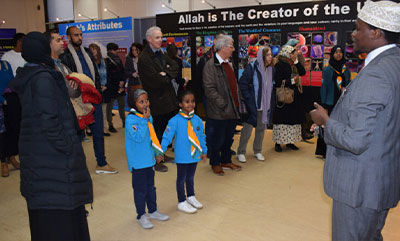
Many organisations, local mosques, charities, and community groups host interfaith Iftars — inviting non-Muslims to share in the experience of breaking fast, learning about Islamic values, and engaging in respectful conversation. These events create safe spaces where people of different faiths and cultures can come together over common values like compassion, gratitude, and service to others. Shared meals and thoughtful dialogue help dispel misconceptions, reduce stereotypes, and cultivate trust and understanding between communities.
Moreover, Ramadan inspires Muslims to increase acts of charity (Zakat and Sadaqah) and civic engagement — supporting those in need, volunteering in community projects, and contributing to collective wellbeing. Such contributions highlight the universal values of empathy and generosity that transcend religious lines, showing how Islamic teachings can positively shape public life and social cohesion.
For organisations and individuals interested in cultural understanding and social harmony, Ramadan presents a natural moment to build relationships that matter. By inviting participation, facilitating inclusive events, and offering educational opportunities about Islamic beliefs and practices, hosts can help foster lasting connections that extend beyond a single month.
In a world where division and misunderstanding often make headlines, Ramadan stands as a living example of how religion can be a force for unity, empathy, and shared human dignity — not only among Muslims but across communities of all faiths and none.